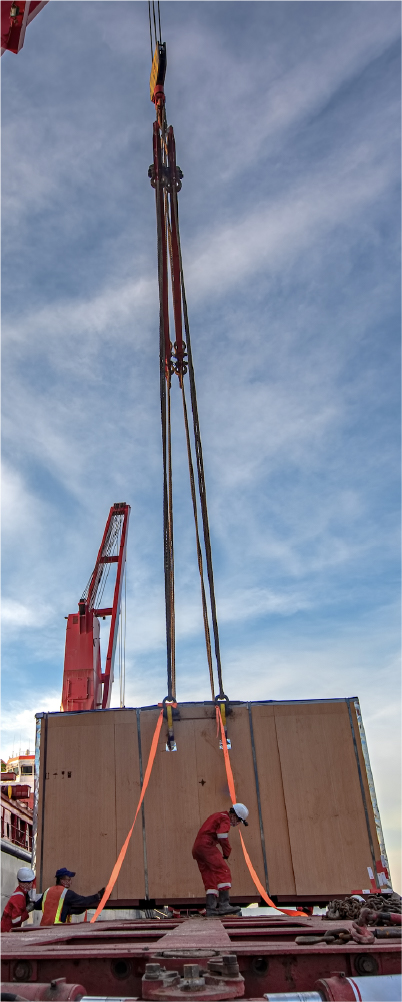


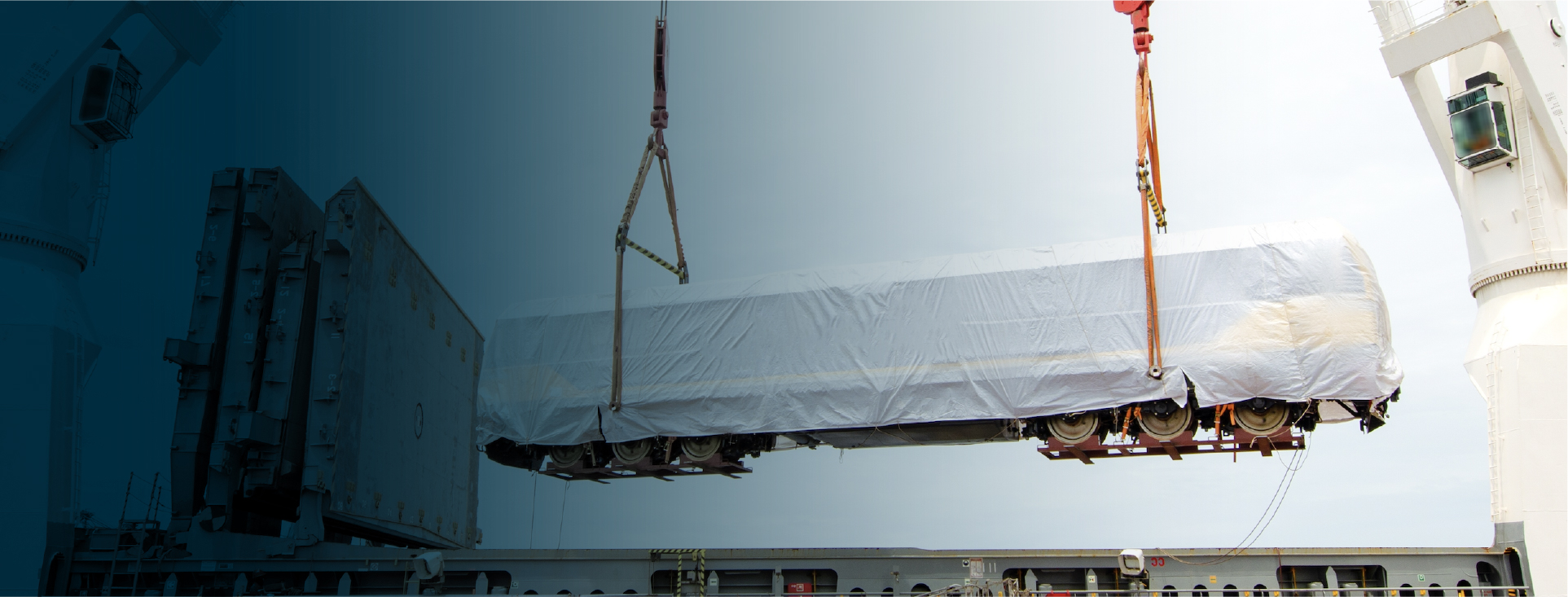
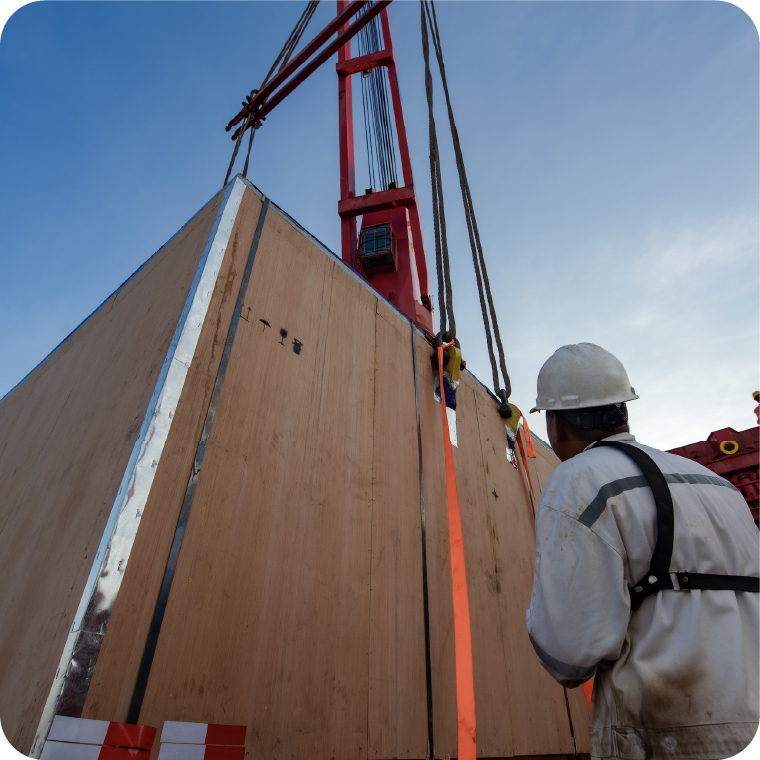
Our Project Cargo solutions are designed for oversized, heavy, and highly complex cargo requiring engineered logistics planning, specialized handling, and multimodal coordination. We manage critical project movements with precision, compliance, and full operational control from planning to final delivery.
Through advanced logistics engineering and a global partner network, we transform complex cargo movements into fully controlled and risk-managed operations.
At JGZ Worldwide Logistics, we deliver tailor-made project logistics solutions adapted to industrial, infrastructure, energy, construction, and capital equipment sectors. Every project is approached with detailed feasibility studies, route surveys, risk analysis, and engineering planning to ensure safe, compliant, and efficient execution.
From oversized machinery and power generation equipment to infrastructure components and modular structures, we ensure complete visibility and operational security throughout the entire project lifecycle.
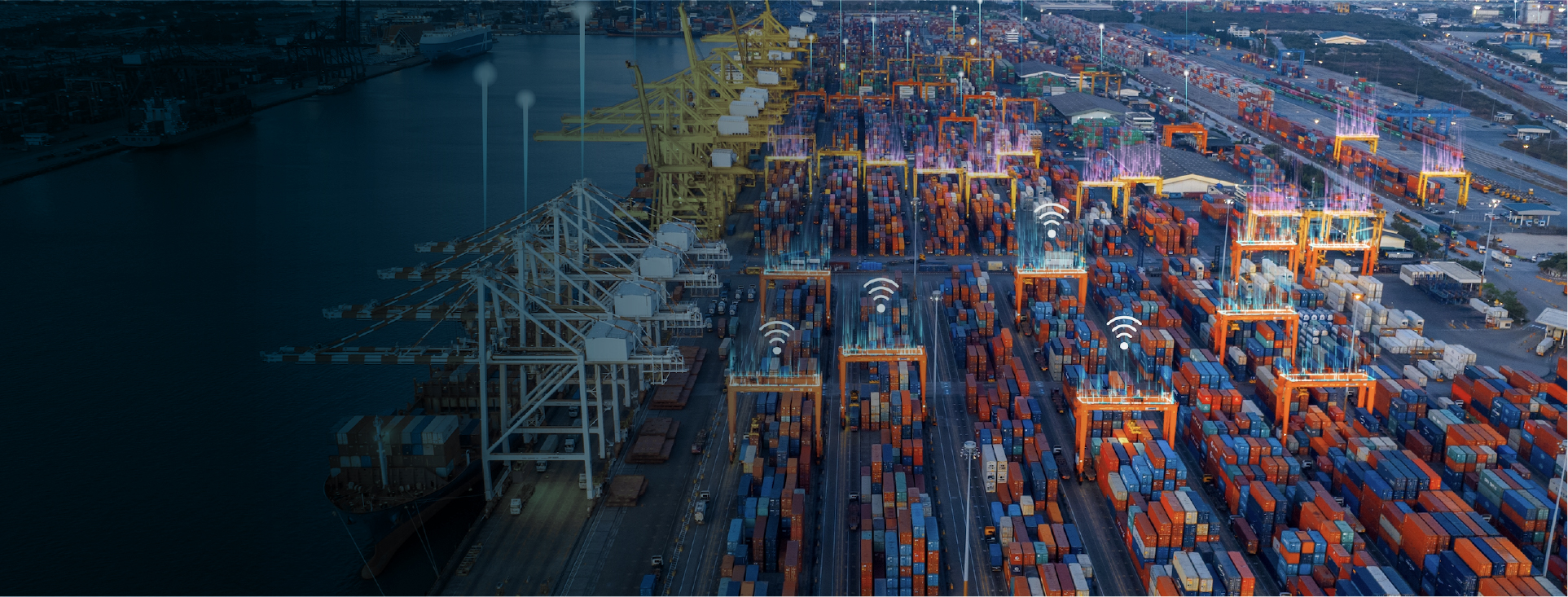
Our project cargo solutions are structured for companies executing large-scale, high-value, and time-sensitive logistics projects. From single-piece movements to full project coordination, we provide end-to-end engineering logistics management.
Route surveys, technical studies, and execution planning for complex movements.
Specialized equipment and handling for extremely heavy and non-standard cargo.
Integrated Sea, Road, Air, and Inland transport coordination.
Management of all special transport permits and regulatory approvals.
Chartered vessels, break bulk operations, and specialized shipping solutions.
Technical supervision and execution control at loading and discharge points.
Risk assessment, mitigation planning, and specialized insurance coordination.
Technical analysis, feasibility studies, and route engineering.
Execution planning, scheduling, and regulatory approvals.
Specialized equipment deployment and multimodal coordination.
Controlled unloading, installation coordination, and project reporting.
Project cargo requires engineering-level logistics planning — not standard freight forwarding.
Every movement is planned, supervised, and controlled to minimize operational risk.